The voice-first AI patient that scores every encounter.
Voice-based patient simulation on demand: students lead a spoken patient conversation, MiRA scores it against a nurse-written rubric and sends results straight to your dashboard.
- Phone or desktop, one login
- Real conversation, no multiple choice
- Results sync to faculty
- Live transcript, or type instead
Talk to a patient who talks back.
Each case runs across several simulated days, so every decision carries forward.
How it works
Students lead the encounter. MiRA scores every decision.
Each step is built on the NCSBN clinical judgment model.
| Step | What the student does | What faculty get |
|---|---|---|
| 1Prepare | Reads the prebrief and handoff, then decides what to assess first. | Defined objectives for every case. |
| 2Lead the assessment | Asks the questions. The patient shares information only when the student goes looking for it. | A record of which cues were found and which were missed. |
| 3Decide and communicate | States priorities, acts, escalates with SBAR and teaches the patient, out loud. | Escalation timing and communication scored against the rubric. |
| 4Evaluate across days | Returns the next simulated day to a patient changed by earlier decisions, and reassesses. | Automatic rubric results with a day-over-day view of growth. |
See it in 30 seconds: one missed cue, one nudge.
A post-op patient reports dizziness and a racing heart. The student moves on, MiRA asks one question without giving the answer, and the student checks vitals. The self-correction is logged to the debrief as growth, not a strike.
Read the encounter transcript
- Patient (Diane Foster, 67, POD2 hip arthroplasty): “I’m feeling dizzy and my heart is racing.” MiRA detects the cue.
- Student nurse: “Okay, let’s talk about your pain.” Missed assessment logged.
- MiRA learning nudge: “Before we continue, what would you like to assess based on what the patient just reported?”
- Student nurse: “I’d like to check vitals and O₂ sat.” Self-correction logged as improvement.
- Patient: “Sure, go ahead. My oxygen reading is 94%, and my pulse is 118.” Appropriate assessment reinforced.
Keep your lab. MiRA extends it.
Review learner performance without observing every session live.
Deploy in clicks
Assign simulation scenarios and launch patient cases across sections with custom due dates.
Track engagement
Track student completion with live progress, and nudge students who are behind in one click.
Rubric scoring, done for you
Automated simulation scoring: every encounter is scored against prebuilt, nurse-written case criteria. Faculty keep the final grade.
Target remediationPreview
See the cues individuals and the cohort missed, then adapt lectures and debriefs before exams.
Program trends
See how performance shifts across sections and semesters. More in the nursing faculty simulation dashboard.
Track and nudge, in 22 seconds.
Follow one student's growth on Margaret Chen day by day, send a note in one click, and see which students in the cohort need attention.
Student names are blurred in this screenshot.
Written with practicing nurses and informed by real clinical practice.
Every case is reviewed by licensed nurses before it reaches a learner. See the full scenario library.
- 4 patients
- 25 simulated days
- Real-time guidance on every conversation
-
 Rafael Alvarez, 71Sepsis · 6 days
Early recognition, bundle timing and a slow responder on Day 3.
Pilot ready -
 Margaret Chen, 68Post-op hip replacement · 10 days
Delirium, allergy cross-reactivity and hypoglycemia across a full stay.
Pilot ready -
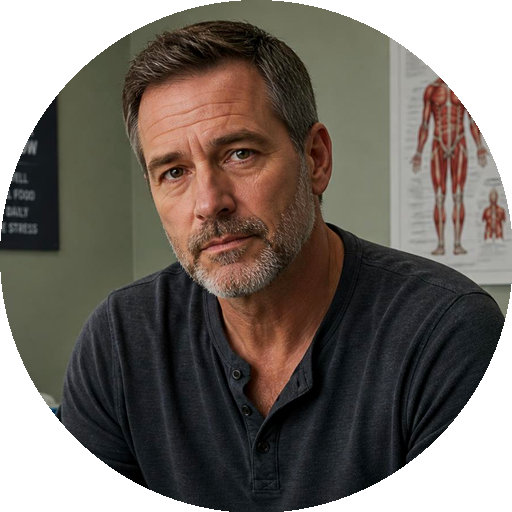 Robert Miller, 54Post-appendectomy · 5 days
Trend recognition, home med reconciliation and pain reassessment in a stoic patient.
Pilot ready -
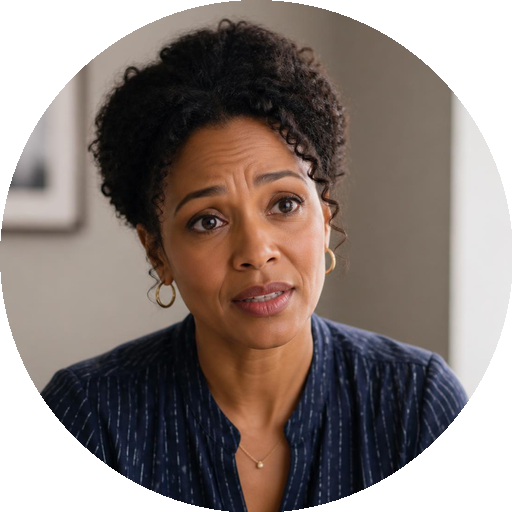 Temi Okafor, 45Lap cholecystectomy · 4 days
Discharge teaching and teach-back that confirms real understanding.
Pilot ready
Why now
Why programs add MiRA now.
Unlimited safe practice
Students repeat cases as often as they need, outside lab and facility hours, with no risk to a patient.
Standardized experience
Every student meets the same patient, objectives and rubric, across sections and campuses.
Faculty relief
Grow the cohort without growing the hours faculty spend observing and scoring.
A library that keeps growing
New patients, new specialties and updates as practice standards change. Coming next: chest pain, fall risk and respiratory distress.
See the student app and faculty dashboard together.
A 30-minute walkthrough using a patient case aligned with your curriculum.